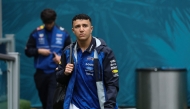
Akram Afif
Doha, Qatar: Dutch great Johan Cruyff once reduced football to its simplest truth: to win, you have to score one more goal than your opponent.
It is a lesson Qatar know only too well as they prepare for the FIFA World Cup, where hopes of reaching the knockout stage will depend largely on their ability to find the net.
Four years ago, Qatar’s maiden World Cup campaign ended with three defeats and just one goal scored. Mohammed Muntari’s header against Senegal remains the only World Cup goal in the country’s history, while their attacking unit struggled to make an impact on the biggest stage.
Recent signs have offered little encouragement as Qatar failed to score in their final two warm-up matches, losing 1-0 to Ireland before being held to a goalless draw by El Salvador.
Julen Lopetegui’s attacking options now include a blend of experience and youth, with Akram Afif and Almoez Ali at the core, supported by forwards such as Edmilson Junior, Yusuf Abdurisag and Hassan Al Haydos, alongside younger names looking to break through on the global stage.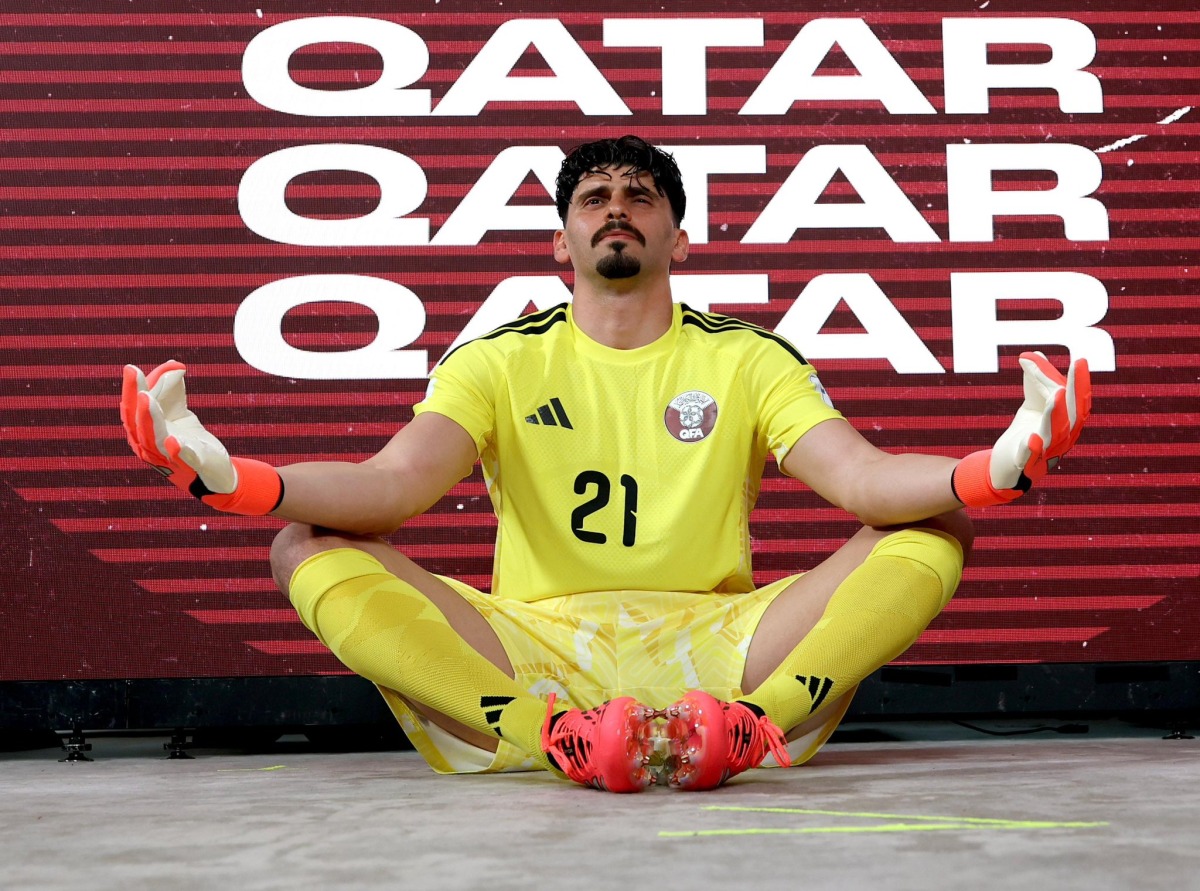 Qatar goalkeeper Salah Zakaria poses during the FIFA Media Day photoshoot.
Qatar open their World Cup campaign against Switzerland before facing Canada and Bosnia and Herzegovina in Group B.
The spotlight, however, will inevitably fall on Akram Afif, considered the backbone of Qatar’s attack.
A two-time Asian champion and twice Asian Footballer of the Year, Afif – often dubbed ‘Mr Assist’ – arrives at the World Cup after another strong domestic season with Al Sadd, where he helped his club secure the Qatar Stars League title. His ability to create and finish chances makes him Qatar’s most decisive attacking player.
But the World Cup also presents Afif with an opportunity for redemption. Four years after the disappointment of Qatar 2022, it is time for Afif to shine. Widely regarded as the face of Qatari football, the 29-year-old carries the responsibility of leading an attack still searching for consistency at international level.
Afif himself has not avoided that reality.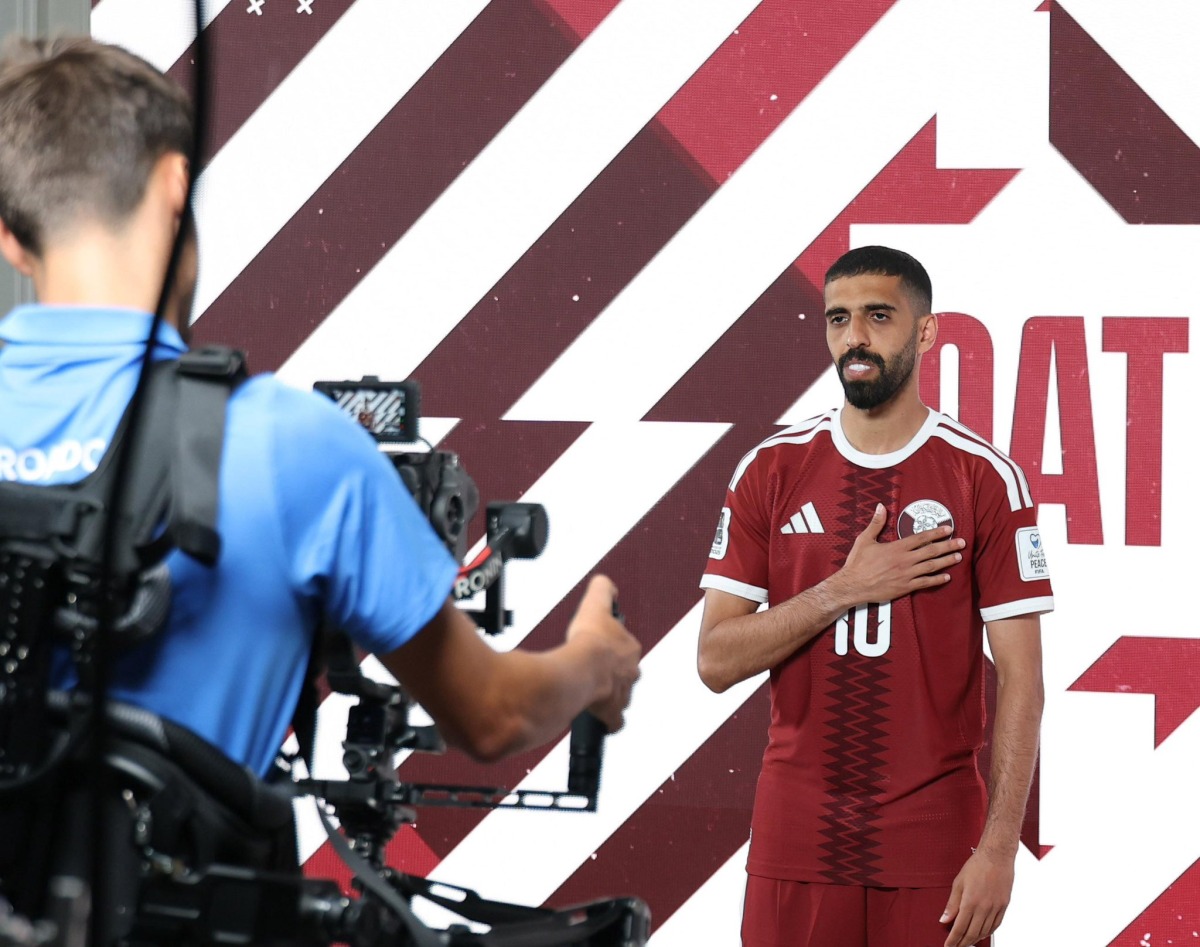 Hassan Al Haydos
“Now our full focus is on preparing for the World Cup in the best possible way. We did not perform at the required level and the results were not acceptable to me. We will try our best to prove that we deserve to be at the World Cup with a strong performance,” he said after winning his third consecutive Qatar Stars League Best Player award last month.
Afif’s journey has taken him from Aspire Academy to Spain and Belgium, where he became the first Qatari-born player to sign for a La Liga club with Villarreal before establishing himself among Asia’s elite.
Alongside him, Almoez remains a key figure - Qatar’s all-time leading scorer with 60 international goals.
The 29-year-old striker has built his reputation on decisive contributions in major tournaments. He scored a record nine goals in the 2019 Asian Cup triumph and has delivered on several big occasions since.
However, his build-up to the World Cup has been disrupted by injury. The striker underwent surgery late last year and has managed limited minutes in 2026.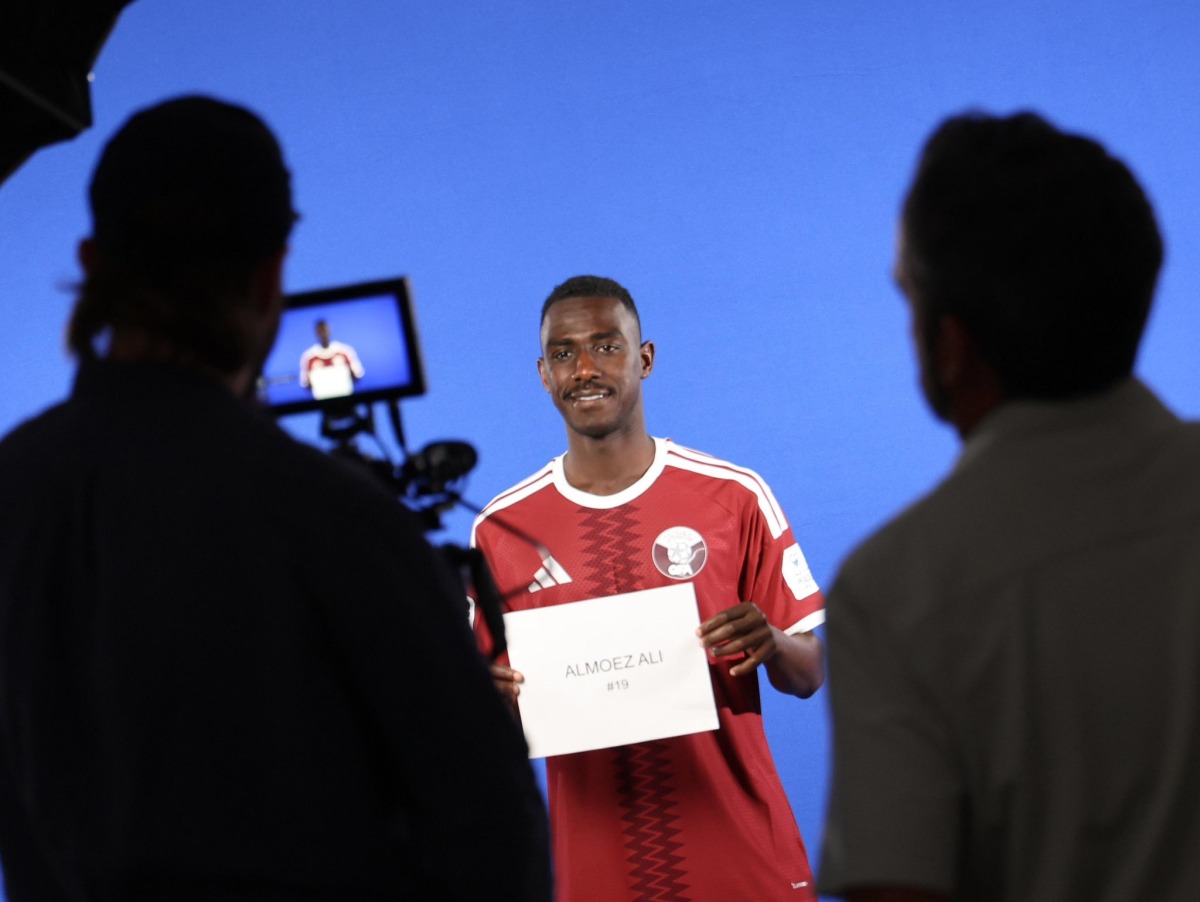 Qatar's Almoez Ali poses during a photoshoot.
“In [Almoez] Ali’s case, unfortunately he only played around two matches this year because of injuries and surgery,” Lopetegui said recently.
“For this level of competition, rhythm is very important. We hope he improves step by step because all players need minutes to be physically ready.”
Whether Ali starts regularly or is used from the bench remains to be seen.
Qatar will also look to emerging attacking options such as Ahmed Al Janehi, Ahmed Alaa and Tahsin Mohammed.
Whether Lopetegui leans on experience or youth, Qatar still need goals and that remains Al Annabi’s biggest challenge.